











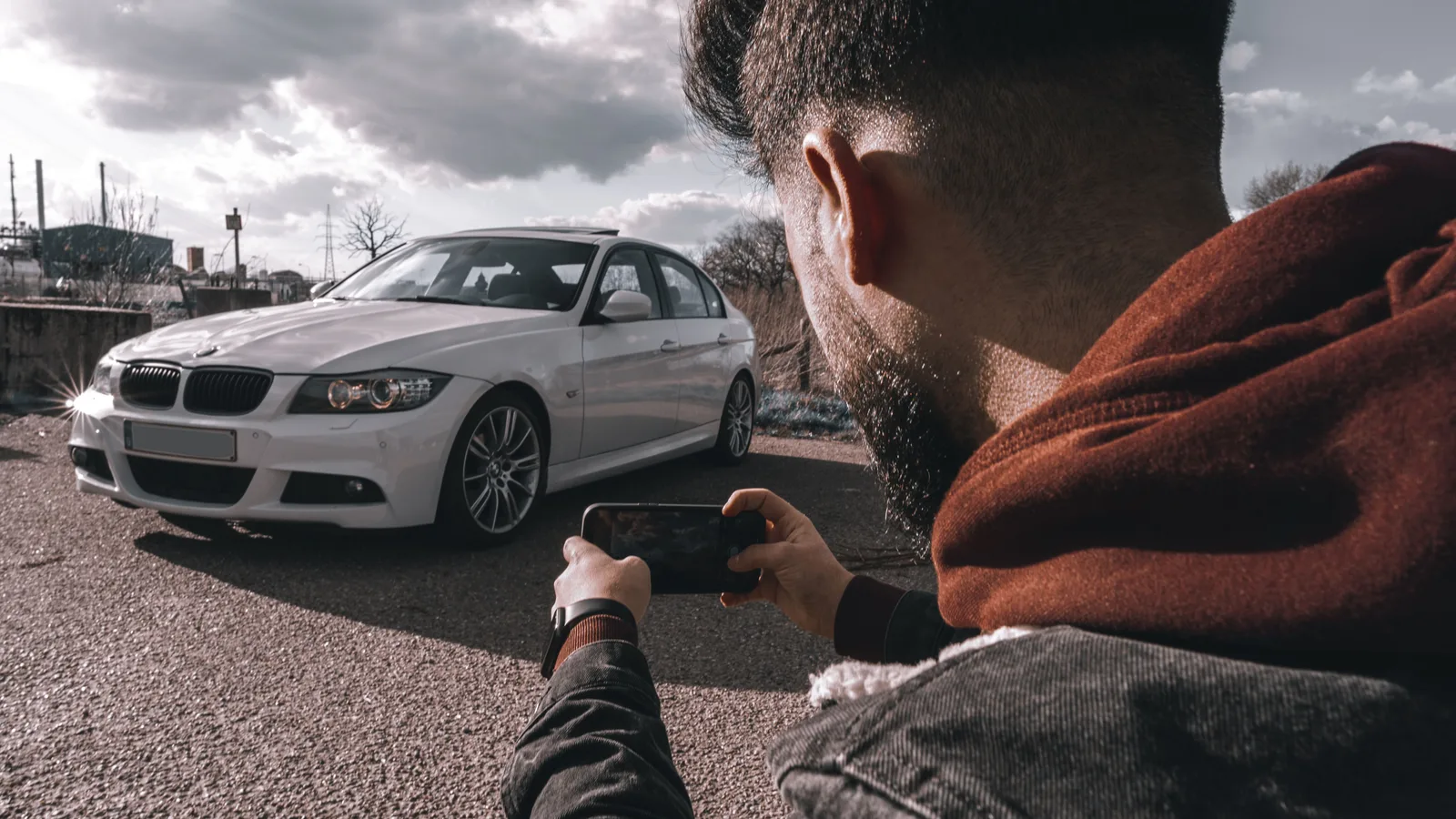
Your bumper is caved in, the garage light is bad, and the photo you just took for the claim does not show it. So you drag the brightness slider until it does. Fifty-two percent of people say that is fine.
The software reading your file does not grade intent.
Verisk surveyed 1,000 consumers and 300 claims professionals over December 2025 and January 2026 for its 2026 State of Insurance Fraud study, asking which edits to a claim photo people find acceptable. Adjusting brightness or contrast: 52%. Flipping, rotating or repairing a blurry shot: 41%. Cropping out the background: 39%.
Then the survey got to the part that ruins it for everyone. Exaggerating the damage: 15%. Creating photos of damage that never happened: 13%.
Overall, 36% said they would consider digitally altering a claim image or document. Among millennials, 49%. Among Gen Z, 55%. So roughly half the drivers most likely to file from a phone are open to touching up the evidence, and a slice of them mean it in the bad way.
Insurers have noticed. Ninety-nine percent said they have run into manipulated or AI-altered documentation. Ninety-eight percent said AI editing tools are driving a rise in digital fraud. Seventy-six percent said the fakes got more sophisticated in just the past year.
Here is the number that should concern an honest claimant. Fifty-three percent of insurers think at least half of the policyholders who alter claim media have no idea it might count as fraud.
Now put that next to how well the detection works. Insurers say they are very confident spotting edits to a real photo 58% of the time. At scale, 43%. Vendors selling into this market describe screening pipelines that sort a file into auto-approval, human review, or rejection. One anti-fraud readiness survey found just 7% of professionals felt more than moderately prepared for AI-driven fraud, and among insurance respondents, nobody did.
Translation: an imperfect filter with a rejection lane now sits between your dented bumper and your check.
So stop improving your photos. Send the original, straight from the camera roll, no crop, no rotation, no filter, no “enhance.” Too dark? Walk the car into daylight and shoot it again. Take more photos, not better ones: a wide shot of the scene, a close-up of every damaged panel, the VIN plate, the odometer, the other vehicle.
If the light or the angle is genuinely bad, write that in the claim notes instead of fixing it in the image. A sentence costs you nothing. An edit costs you the benefit of the doubt.
Skip screenshots of photos, and do not route files through a messaging app that recompresses them. Email them or use the insurer’s upload. Keep the originals until the claim pays.
If a claim stalls or gets denied over image integrity, ask in writing what the finding was and whether a person reviewed it. In Texas and New York, insurers already owe you a real written reason instead of a form phrase, and every state has a department of insurance that takes complaints.
Context for the long view. Twelve states spent March through September 2026 running an insurance commissioners’ pilot that inventories the AI systems carriers use, with the most scrutiny on the ones that could cause serious consumer harm. It goes to a vote in November, and carriers are on the hook for vendor models they did not build. Right fight, wrong timeline for your claim this month. Photograph the car honestly and let the picture be ugly.
Shopping anyway? Compare coverage on our auto insurance hub and price your profile with the insurance estimator.
How Candid Yak makes money. Some of the products we write about pay us if you apply or sign up through our links. That never changes our verdict, our rankings, or the numbers in this article. We call a bad deal a bad deal whether it pays us or not. Some brands shown in our comparison tools are placeholder examples while we finalize partner agreements, and we label them as such.
Sources
- Study Shows Consumer Willingness to Edit Claim Images (Claims Journal, March 17, 2026)
- Verisk AI Study Finds Many Would Alter Image For Insurance Claim (Agency Checklists, March 31, 2026)
- Insurers grapple with new fraud threat: AI-generated images (SAS, May 28, 2026)
- Regulators Open First Examination of Insurer AI Behind Total-Loss Decisions and Claims Payouts (Autobody News, March 31, 2026)