











If you’re shopping for a used car this fall, run the VIN twice. The second check costs about ten dollars, and it’s the one with federal law behind it.
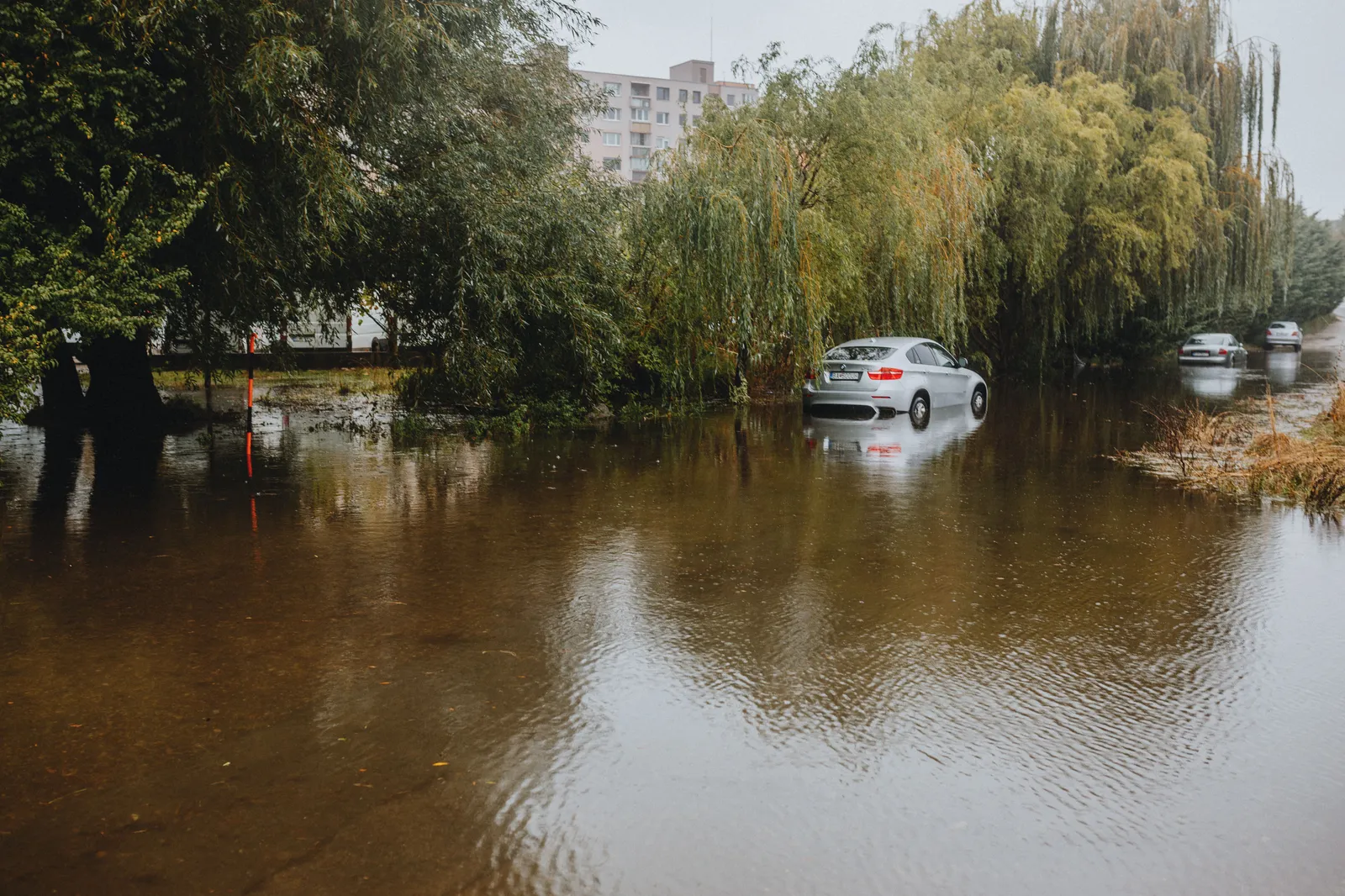
On August 13 the National Insurance Crime Bureau warned buyers that flood-damaged cars are working their way back into the used market as storms keep hitting. NICB’s president and chief executive, David J. Glawe, kept it short: “A flood-damaged vehicle may look perfectly normal on the outside, but hidden damage can create serious safety hazards.” The same release points to a CARFAX estimate of as many as 530,000 flood-damaged vehicles already back on U.S. roads.
Every buying guide answers this the same way. Run the free VINCheck at nicb.org. Do that. It’s genuinely useful, and NICB says it handled nearly three million lookups through July 31 of this year.
Then read who feeds it. VINCheck reports cars declared salvage or a total loss by “participating NICB member insurers,” and NICB says those members represent more than 92 percent of the market. That is a lot of the market. It is also a club, and a club is something an insurer chooses to join.
The other database isn’t a club.
The National Motor Vehicle Title Information System was created by the Anti Car Theft Act and is overseen by the Justice Department. Its own consumer brochure is blunt about what makes it different. NMVTIS is “the only vehicle history database in the nation to which all states, insurance carriers, and junk and salvage yards are required by federal law to report.” Since March 31, 2009, every insurance carrier, salvage yard, salvage pool, scrap processor, and auto recycler in the country has had to report its total-loss and salvage vehicles every month.
Required, not invited.
A report from an approved provider has run $8 to $12.99, per the program’s own FAQ. Set that against a five-figure car. Ten dollars isn’t a decision.
Here’s what neither check can do for you. Both start with somebody filing a report. If the seller carried liability only, never opened a claim, pulled the carpets, ran a shop vac and listed it online, no insurer reported a total loss and no salvage yard ever touched it. The title stays clean. Both VIN checks come back clean. You find that car with your nose and a mechanic, not with a database.
So do all three, in order. Run the free VINCheck. Buy the NMVTIS report from an approved provider off the list at vehiclehistory.gov. Then pay for an independent inspection, which is exactly what the NMVTIS brochure tells buyers to consider before they sign.
While you’re sitting in it, use NICB’s own tells. Smell for must. Pull the carpet at the seat rails. Open the spare tire well. Look for silt, water stains, rust where rust has no business being, and upholstery that doesn’t match. And treat an unusually good price as a fact about the car, not a favor to you.
Once you own it, the same twenty minutes is worth spending on the policy. Price it with our insurance estimator, then check where your current carrier lands against our auto insurance picks and the rest of the auto insurance hub.
One caveat on the paid report. NMVTIS carries title, brand, odometer, theft and salvage data. It doesn’t carry repair history, and its FAQ admits a lookup can occasionally come back with nothing at all. It closes the biggest hole in the free check. It doesn’t close every hole.
How Candid Yak makes money. Some of the products we write about pay us if you apply or sign up through our links. That never changes our verdict, our rankings, or the numbers in this article. We call a bad deal a bad deal whether it pays us or not. Some brands shown in our comparison tools are placeholder examples while we finalize partner agreements, and we label them as such.
Sources
- NICB Warns Consumers to Watch for Flood-Damaged Vehicles During Peak Flood Season (National Insurance Crime Bureau, August 13, 2026)
- Who Reports to NMVTIS (U.S. Department of Justice, Bureau of Justice Assistance)
- Check NMVTIS Before You Buy! Are You About to Buy a Flood or Junk/Salvage Car? (NMVTIS / AAMVA consumer brochure)
- NMVTIS Frequently Asked Questions (U.S. Department of Justice, Bureau of Justice Assistance)
- Approved NMVTIS Data Providers (U.S. Department of Justice, Bureau of Justice Assistance)