














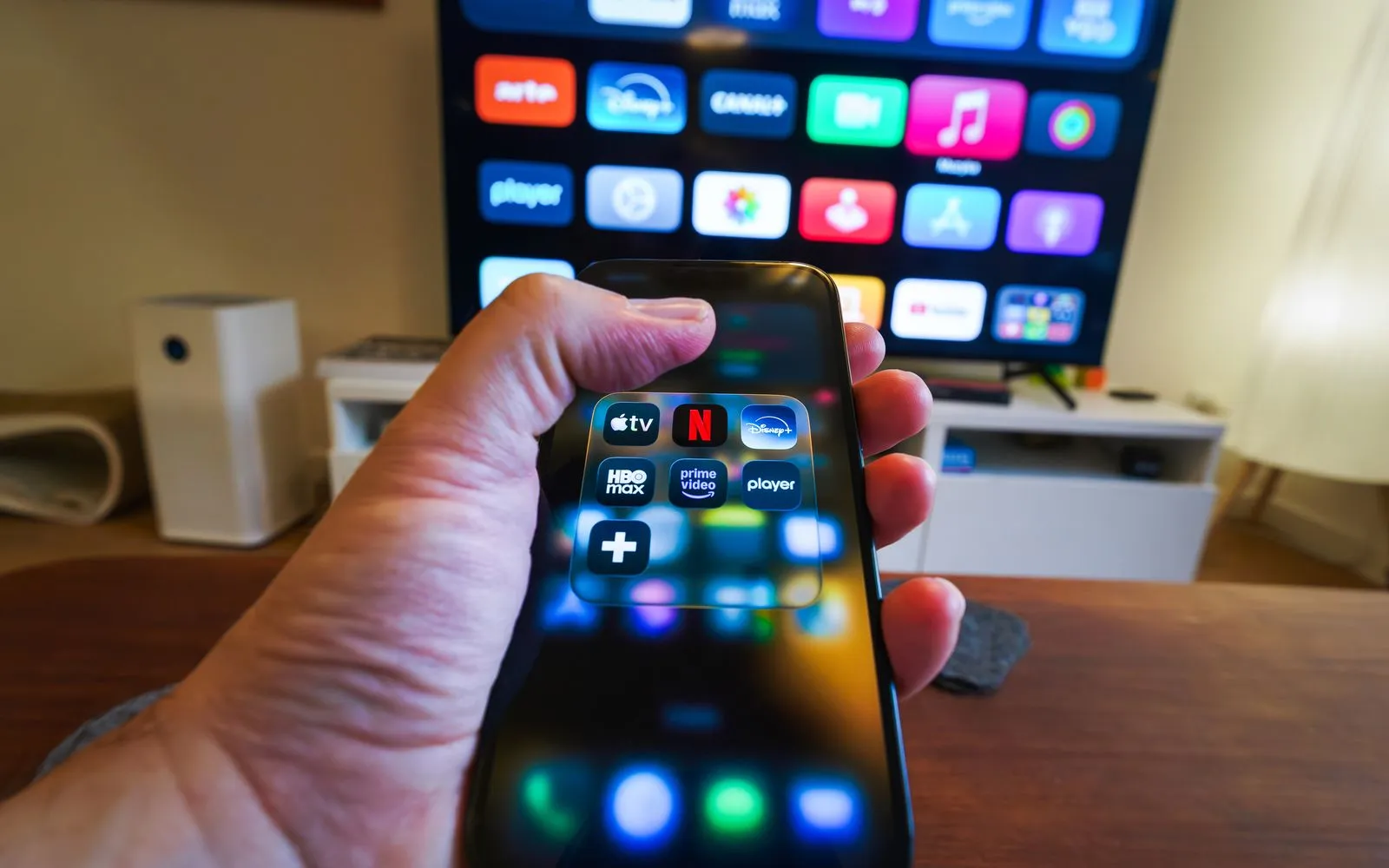
If you live in or subscribe to anything based in New York City, the meal-kit box that made you wait on hold for twenty minutes to cancel is running out of runway. As of October 1, 2026, NYC businesses have to let you cancel a subscription in the same number of steps it took to sign up. The city calls it Click-to-Cancel. The rule is final. New Yorkers stand to save an estimated $162.5 million a year, per the Roosevelt Institute estimate the DCWP cited when it announced the rule on July 11.
Mayor Zohran Mamdani put it plainly at the announcement. “If you can sign up with one click, you can cancel with one click.” That’s the whole rule in a sentence. It applies to subscriptions, free trials that flip to recurring charges, and auto-renewals. The NYC Department of Consumer and Worker Protection, run by Commissioner Samuel A.A. Levine, will enforce it. Fines start at $525 per violation and stack with consumer restitution.
Here’s what they don’t tell you. There already was a federal version of this. The FTC under Lina Khan finalized a national Click-to-Cancel rule in October 2024. The Eighth Circuit vacated it in July 2025 on procedural grounds, and the rule never went into effect for a single subscriber. The FTC reopened the rulemaking in March 2026, but that will take years. NYC did not wait. Khan, out of the FTC, now advises the Mamdani administration on the city version. Same idea, different jurisdiction, faster path.
There’s a second rule you should know about. On July 8, DCWP proposed a separate all-in pricing rule requiring businesses to advertise the total price of a good or service, mandatory fees included. If adopted, the resort fee sprung on you at hotel checkout, the “service fee” on the ticket, the mandatory delivery charge tacked onto your takeout order all have to appear in the advertised price up front. The public hearing is August 7, 2026. The penalty schedule is the same $525 per violation.
Show the math. NYC families lose about $3,200 a year to junk fees and subscription traps, per the DCWP’s own estimate. Some of that is a $12 gym membership that took two months to cancel because you had to mail a certified letter. Some of it is a $45 hotel resort fee you did not know about until check-in. Either way, it’s real money the seller is counting on you not fighting for.
Do this now if you live in NYC. After October 1, if a business makes you jump through hoops to cancel, screenshot the flow and file at nyc.gov/dcwp. That’s the enforcement mechanism, and $525 per violation adds up fast. If the junk-fees rule is your fight, the public hearing is August 7, and you can submit comment before then. Written comments go to DCWP through the rulemaking portal linked in the notice.
If you don’t live in NYC. File this away. This is the second-largest consumer market in the country going first. California, Connecticut, Colorado, and Minnesota already have all-in pricing laws. Watch your own state legislature. When it moves, your ad prices and your gym contract change too.
A subscription you can’t quit is a fee the seller collects on your inaction. Making the cancel button work is not radical. It’s the ad matching the checkout. Everywhere it lands, the customer wins.
How Candid Yak makes money. Some of the products we write about pay us if you apply or sign up through our links. That never changes our verdict, our rankings, or the numbers in this article. We call a bad deal a bad deal whether it pays us or not. Some brands shown in our comparison tools are placeholder examples while we finalize partner agreements, and we label them as such.
Sources
- Mayor Mamdani Announces Landmark Click-To-Cancel Consumer Protection Rules (NYC Mayor's Office, July 11, 2026)
- Mamdani Administration Announces Landmark Consumer Protection Rules (NYC DCA, July 11, 2026)
- NYC announces new click-to-cancel consumer protection rule (NBC New York)
- New York City Proposes Sweeping All-In Pricing Rule Targeting Junk Fees (Consumer Finance Monitor, July 15, 2026)
- DCWP Notice of Public Hearing: Rules Relating to Junk Fees (NYC Rules, July 2026)
- Mayor Mamdani announces Click to Cancel rule (ABC7 New York)