














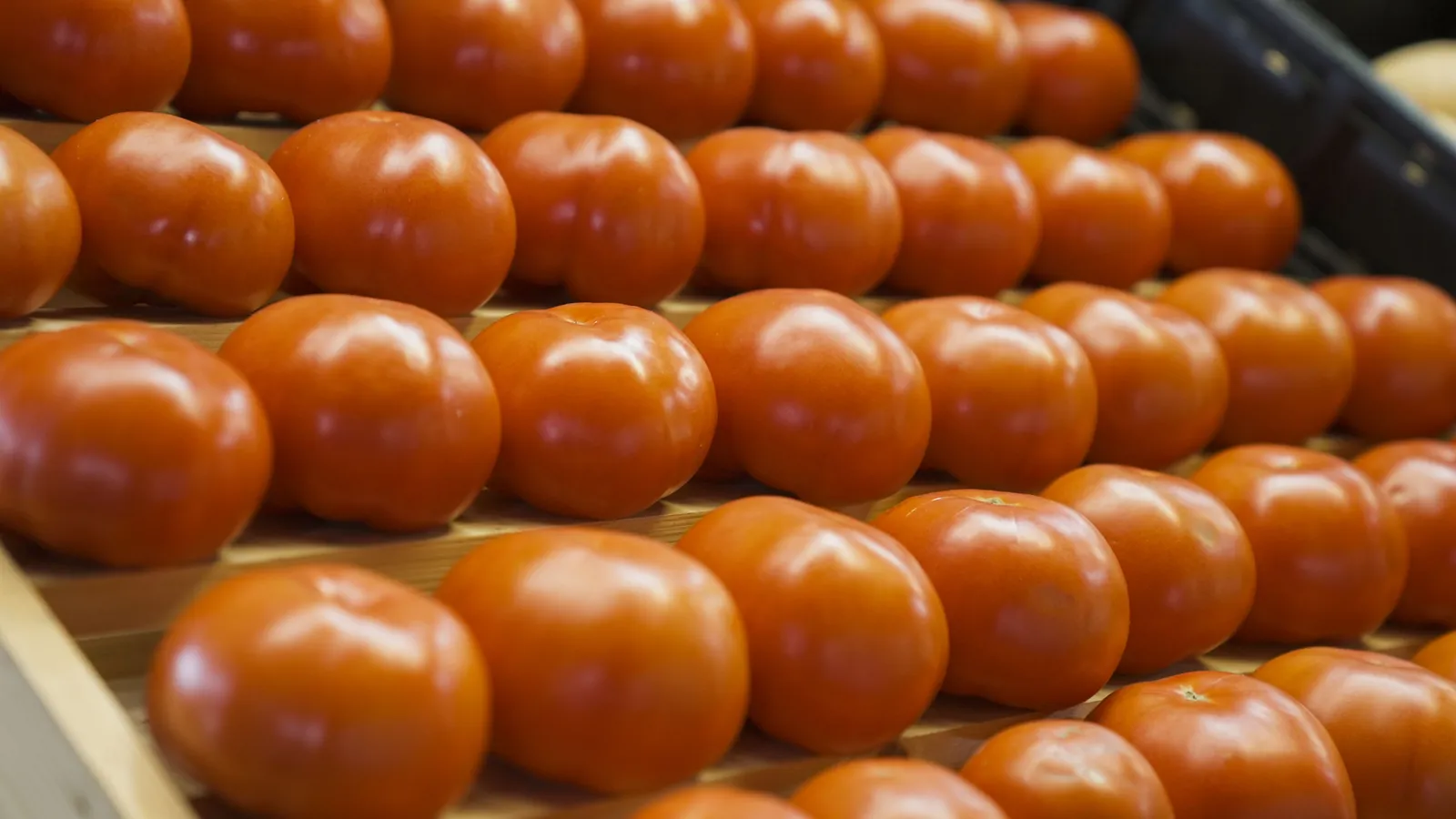
Your tomatoes cost 20% more than they did last summer. Your lettuce costs 32% more. If you buy both, your weekly bill has crept up somewhere between six and twelve dollars, depending on the store. You did not do anything different. The federal government did.
One year ago this week, on July 14, 2025, the Trump administration terminated the 2019 US-Mexico Tomato Suspension Agreement. In its place: a 17% antidumping duty on nearly every fresh tomato crossing the border from Mexico. Mexico supplies roughly 70% of the fresh tomatoes sold at American grocery stores. Ending the agreement was not a warning shot. It was the tariff.
The 1996 original of that agreement, and every renewal since, held tariffs off in exchange for Mexican growers agreeing to a floor price. It kept the price war orderly. Cutting it reset the whole shelf. Fortune’s July 19 accounting, pulling from USDA and BLS retail data, put fresh tomato prices about 20% above last June and lettuce about 32% above. Both crops share the same Mexican supply base. When one gets hit, both get hit.
Here’s what they don’t tell you. “Antidumping duty” is the technical name. It’s a tariff. It gets paid at the border by the importer and passed to you at the register. The duty traces to a 1996 US trade court finding that Mexican growers were selling tomatoes at artificially low prices. The suspension agreement paused it for three decades. Ending the suspension flipped the duty back on. Nothing in your kitchen changed. The price at your kitchen counter did.
Do this now. When a recipe calls for a can of crushed tomatoes or tomato paste, buy the can. Canned tomatoes come from processing tomatoes grown in California, mostly, and they are not tariff exposed. A 28-ounce can of crushed tomatoes typically runs $1.50 to $2 at retail. The fresh tomatoes it would take to make the same amount of sauce, at roughly $3 a pound and up, cost more. Same dish. Cheaper input.
For salads and sandwiches, watch when local tomatoes hit the market. From late June through October, California, Florida, Georgia, and the Midwest supply enough US-grown fresh tomato to compete on price. Buy them when they show up. When they leave, shift to greenhouse tomatoes from Canada, which are not tariff exposed either, or accept that January tomatoes are going to run three or four dollars a pound and plan around it.
Don’t do this. Do not buy the story that fresh Mexican tomatoes are gone. They are not. They are just 17% more. Your grocer is still stocking them because most shoppers keep buying without checking the shelf tag. That is the bank’s bet in produce form, and it works for the same reason unopened credit card statements do. Nobody looks.
The duty runs until Commerce or the administration decides otherwise. Political and trade challenges are moving through court. Do not plan around them. Plan around what is true today. Fresh Mexican tomato: 17% surcharge, real. Canned US tomato: no change. That is the swap, and it recovers most of the gap on your weekly bill.
If you’re still watching your grocery total climb, our budgeting hub has more on where the pressure is coming from and how to route around it.
How Candid Yak makes money. Some of the products we write about pay us if you apply or sign up through our links. That never changes our verdict, our rankings, or the numbers in this article. We call a bad deal a bad deal whether it pays us or not. Some brands shown in our comparison tools are placeholder examples while we finalize partner agreements, and we label them as such.
Sources
- Agricultural economist explains why you're paying 32% more for lettuce and 20% more for tomatoes (Fortune, July 19, 2026)
- Trump slaps 17 percent tariff on tomatoes from Mexico (Al Jazeera, July 15, 2025)
- Fresh Mexican tomatoes singled out for 17% tariff (Fortune, July 14, 2025)
- Rotten Tomatoes: Implications of the Termination of the US-Mexico Tomato Suspension Agreement (CSIS)