











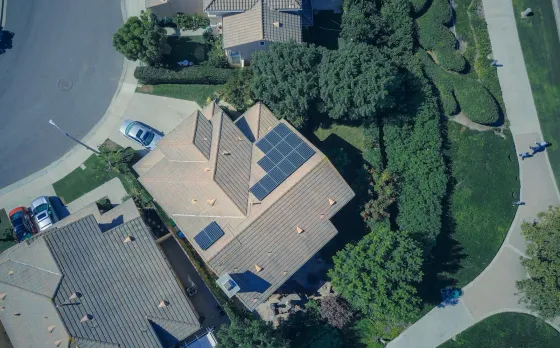




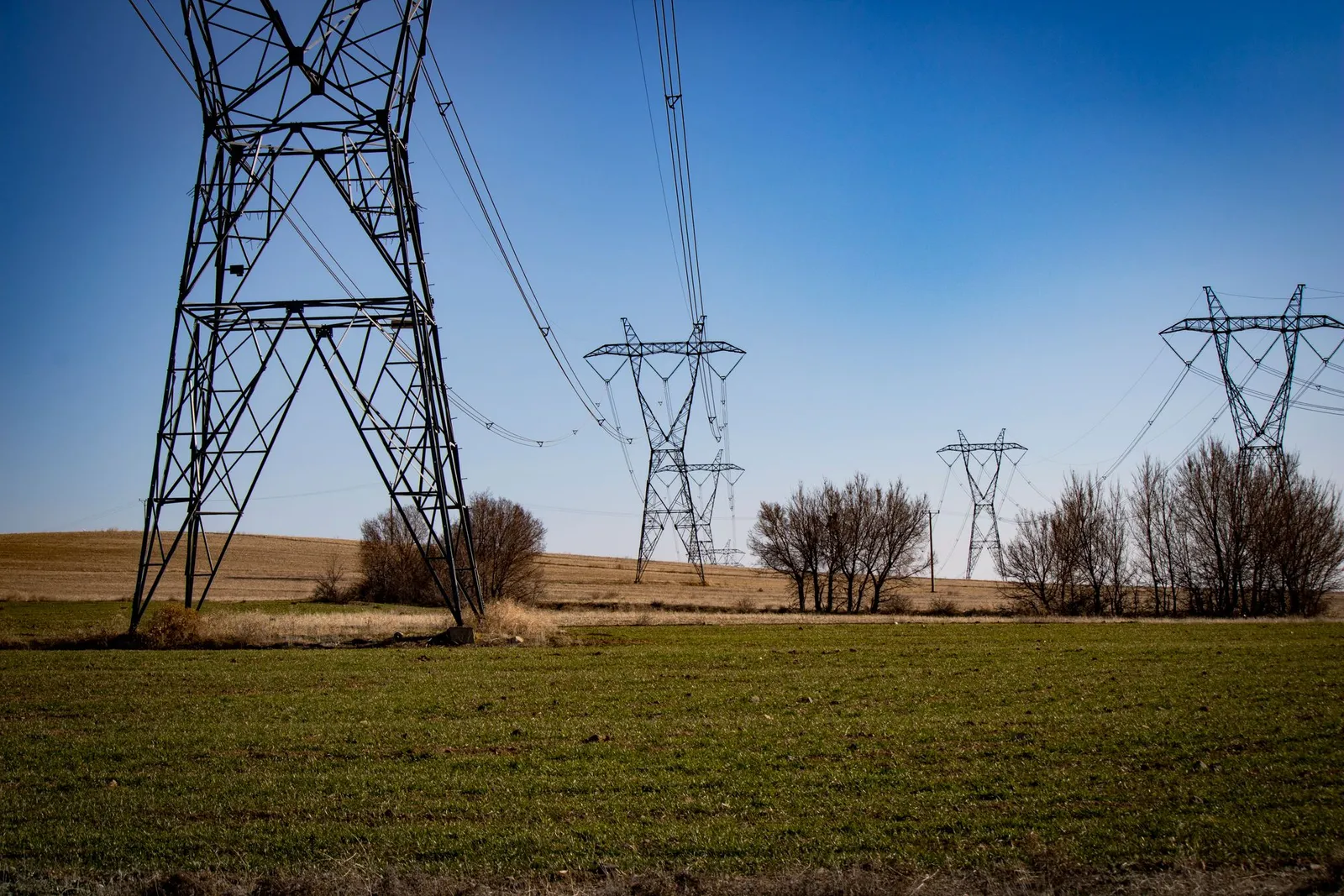
If your power or gas comes from an investor-owned utility, there’s a good chance it asked regulators this summer for permission to charge you more. Between July and September, utilities filed for $4.5 billion in rate increases. That’s the biggest third quarter on record, according to a report the advocacy group PowerLines released October 7.
The key word is “filed.” A filing opens a case at your state utility commission. It isn’t an approval, and the commission that decides it takes public comment.
What got filed
The PowerLines appendix lists 64 filings across 28 states, which by the report’s count could reach more than 45.5 million customers. Third-quarter requests more than doubled from the same quarter of 2025, Utility Dive reported, and the year’s total is now $23.1 billion. We pulled the largest requests from the report’s appendix:
| Utility | State | Customers | Requested |
|---|---|---|---|
| Jersey Central Power & Light | New Jersey | 1.2 million | $0.7 billion |
| Dominion Energy Virginia | Virginia | 2.7 million | $0.5 billion + $0.2 billion |
| Indiana Michigan Power | Indiana | 471,000 | $0.5 billion |
| Oklahoma Gas & Electric | Oklahoma | 915,000 | $0.4 billion |
| CenterPoint Energy | Texas | 2.4 million | $0.3 billion + $0.1 billion |
Jersey Central’s ask works out to about $170 a year on a customer’s bill, by PowerLines’ estimate. The utility puts it at about 8.8% for the average residential customer and points out it wouldn’t hit bills until 2028. Dominion’s $500 million distribution request comes to an extra $3.46 a month for residential customers.
The industry’s answer is that the process protects you. “Every rate request gets rigorous review by state regulators,” an Edison Electric Institute spokesperson told Utility Dive.
Here’s the catch. That review runs on the evidence in the record. Without outside data and testimony, PowerLines notes, the agency is limited to the evidence the utility provides. A Michigan housing advocate quoted in the report said regulators carry a high burden to prove a request isn’t needed. “Their hands are often very tied,” she said.
Why this is your fight
This is a political decision with your name on the bill. In 36 states the governor appoints the commissioners who rule on these cases. In 10 more, you elect them. With midterms next month, that’s worth knowing before you vote.
Don’t stop at the per-kilowatt-hour rate, either. An Indiana farmer told regulators his rate hadn’t moved while surcharges kept piling onto his bill. “They start adding it all up and it just doubles your bill,” he said.
The move
Open the PowerLines appendix and look for your utility. If it’s there, search your state commission’s website for the utility’s name and “rate case” to get the docket number.
File a comment. Keep it short and specific: your last 12 monthly bills, the surcharge lines that grew, and what the increase costs your household. New Jersey’s utility board says public comments “will be made a part of the final record in this proceeding to be considered by the Board.” That record is the evidence regulators decide on. Put your numbers in it.
Then budget for a partial win. Even $170 a year is about $14 a month. Build it into next year now with our budget planner. If you’re also staring down a winter heating bill, our heating cost breakdown shows which fuel takes the biggest hit. More bill-cutting moves are in our budgeting guides.
How Candid Yak makes money. Some of the products we write about pay us if you apply or sign up through our links. That never changes our verdict, our rankings, or the numbers in this article. We call a bad deal a bad deal whether it pays us or not. Some brands shown in our comparison tools are placeholder examples while we finalize partner agreements, and we label them as such.