
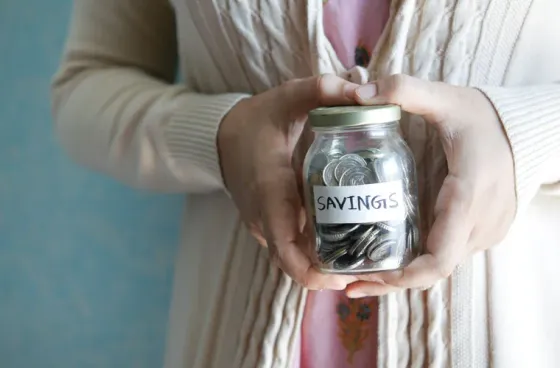














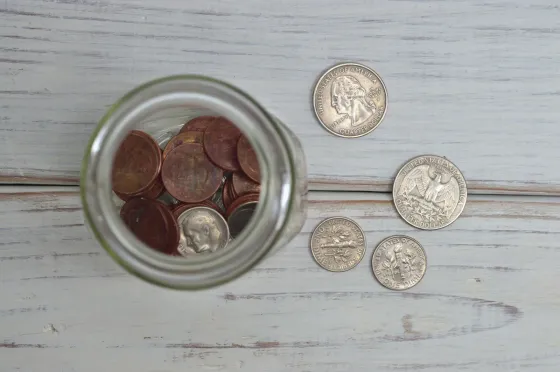

Americans just did something they hadn’t done in eighteen months. They paid down their credit card balances. If yours went up in May, you’re on the wrong side of the trend, and the math is quietly working against you.
The Federal Reserve’s July 8 consumer credit report shows revolving credit fell $5.3 billion in May, the biggest one-month drop since November 2024 and the second largest since November 2020. Economists had penciled in a $17.5 billion increase. Instead, the whole book contracted by $182 million. Something changed.
What changed was refunds. Under the tax package signed last year, the IRS pushed out roughly $100 billion more in refunds this spring than in 2025, per Tax Foundation estimates. That money hit checking accounts in April and May. A big slice went straight at credit card balances still charging near-record rates. Real cash meeting real bills. The Fed’s own numbers say it worked.
Here’s the catch. The average credit card APR is 19.57 percent, per Bankrate as of July 8. That’s barely off the 20.79 percent record set in August 2024, and it’s roughly triple what a decent high-yield savings account pays. Every $1,000 sitting on a card at that rate costs about $196 a year in interest, and interest compounds monthly, so the real number is a little worse. The Fed isn’t cutting fast enough to bail you out. The March dot plot penciled in one cut for all of 2026. Waiting isn’t a strategy.
If you have any cash left from your refund, a bonus, or a settled sale, don’t park it in checking. Move it to the highest-APR card you carry and drop the balance. A $2,000 paydown at 19.57 percent saves about $390 a year in interest. That is real money and it shows up on the next statement.
If you don’t have the cash on hand, look at a true balance transfer with a zero percent introductory APR. Bankrate’s July 2026 rundown flags several no-annual-fee options, including the Chase Slate, the BankAmericard, and the Wells Fargo Reflect, all running twenty-one-month zero percent offers. Move the balance, cut the card up if you have to, and set autopay for the fixed monthly payment that gets the transferred amount to zero before the promo ends. Miss that deadline and the APR jumps back to the high teens or twenties, and the reason you moved the balance evaporates.
One trap to skip. Don’t confuse zero percent APR with deferred interest. The first is a real promotional rate. The second, common on store cards, charges you interest going back to purchase day if you miss the payoff window. If the words say “no interest if paid in full,” that’s deferred interest. Read the disclosure.
The rest of the country was busy making a move in May. Yours can be this week.
How Candid Yak makes money. Some of the products we write about pay us if you apply or sign up through our links. That never changes our verdict, our rankings, or the numbers in this article. We call a bad deal a bad deal whether it pays us or not. Some brands shown in our comparison tools are placeholder examples while we finalize partner agreements, and we label them as such.
Sources
- Consumer Credit G.19, May 2026 (Federal Reserve, released July 8, 2026)
- Consumer credit was unchanged in May (ABA Banking Journal, July 8, 2026)
- Consumer Credit Plunges By Most in Almost 6 Years (24/7 Wall St via Yahoo Finance, July 10, 2026)
- Current Credit Card Interest Rates (Bankrate, July 8, 2026)
- Tax Refunds and the One Big Beautiful Bill Act (Tax Foundation)
- Best Balance Transfer Cards of July 2026 (Bankrate)