
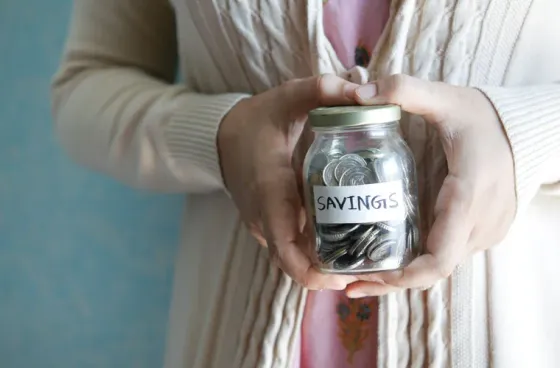

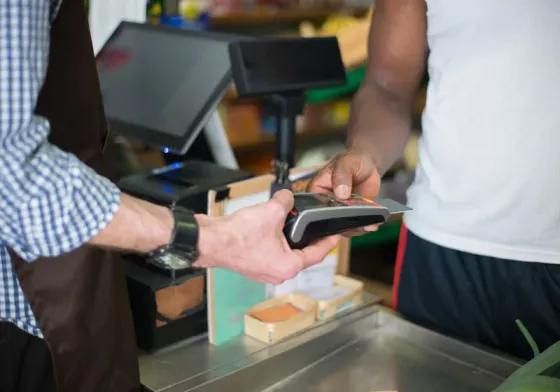













If you swiped your card for groceries this month, the Fed just said out loud what your bank statement already knows. The Federal Reserve’s July 15 Beige Book, the report the FOMC uses to prep its next rate meeting, told the country that “lower-income consumers reportedly added credit card debt to pay for essential goods.”
That is the Boston Fed quoting its own regional contacts. Read as intended.
The July Beige Book takes the temperature of the economy across the 12 Fed districts. Overall, activity ticked up at a slight to moderate pace in eleven of twelve districts. That is the headline. The subhead is the split. Boston reported that “reliance on food pantries increased further” and “transportation assistance expanded.” Dallas relayed a nonprofit call that demand for food assistance has “surpassed levels experienced during the financial crisis and the pandemic.” San Francisco flagged “faster spending of tax refunds and rising credit card balances.” Three districts. Same shape.
Here’s what they’re not telling you in the aggregate. Big-bank Q2 earnings last week said consumer credit metrics improved, not worsened. The New York Fed’s May report showed the first credit card paydown in eighteen months. Both are true. Both cover the middle and the top. The Beige Book is naming the households the aggregate rolls over.
If that’s your household, the math gets ugly fast. The average credit card APR runs above 20%, and cards for people with bruised credit sit closer to 25%. A $2,000 grocery balance carried for a year at 22% adds about $440 in interest. That is a car repair or a month of childcare, gone to the bank.
Three moves this week if that description fits you.
Call your card issuer and ask for a rate cut. Say your rate is unaffordable and ask what programs they have. Issuers hand out temporary APR reductions and hardship plans more freely than they did three years ago, because their charge-off numbers are getting quieter and they want to keep it that way. Ask for a supervisor if the first agent says no. It is a five-minute call.
Move the balance if the rate cut is small. A 12-month 0% intro APR card, or a fixed-rate personal loan around 12%, both beat 22% by a mile. On $2,000, the difference in interest over a year is roughly $200 on the 0% card and $120 on the loan. Real money. Do not close the old card once the balance moves. Closing shortens your credit history and drops your score.
Turn autopay on for at least the minimum on every card. A late fee is $32 on most cards. A late payment reported to the bureaus after 30 days can knock a good score by 60 to 100 points, which flips your APR up on the same card the following billing cycle. Not optional.
If you were charging essentials this month and looking for permission to feel bad about it, don’t. The Fed just told the country the shape you’re in is showing up in its own data. What matters now is that the balance shrinks from here, not grows. This is the week to make one of those three calls.
How Candid Yak makes money. Some of the products we write about pay us if you apply or sign up through our links. That never changes our verdict, our rankings, or the numbers in this article. We call a bad deal a bad deal whether it pays us or not. Some brands shown in our comparison tools are placeholder examples while we finalize partner agreements, and we label them as such.