
















Your homeowners insurance policy just got a new option, and the direct-mail pitch from your carrier is coming. Fannie Mae and Freddie Mac will now buy loans on homes insured with Actual Cash Value coverage on the roof instead of full Replacement Cost Value. That means a lower premium is available at renewal, if you accept a smaller payout when the roof needs work.
Whether that is a good deal depends on how old your roof is. Not on how much you want to save this month.
Here is what changed. On March 18, 2026, FHFA announced through Lender Letter LL-2026-03 that Fannie and Freddie will accept ACV roof coverage on both single-family homes and condos. Before this, standard practice on conforming mortgages was full Replacement Cost Value, so the insurer paid whatever it took to install a new roof of similar quality. ACV pays what the roof was worth on the day the tree fell on it. On a 15-year asphalt roof with a 20-year expected life, ACV can pay a small fraction of the RCV number, because the accountants have depreciated most of the roof away.
The rest of the house still gets RCV. If a fire takes the whole structure, the insurer rebuilds. This change is only about how the roof gets valued.
FHFA framed the move as reducing costs for homeowners, which is true in one direction. Insurance premiums have gotten hard to find in the states hit worst by claims, and if a cheaper roof-coverage option keeps you insurable at all, that is real money. But cheaper premium in exchange for smaller payout is not the same as free money. It is a transfer of the depreciation risk from the insurer to you.
Here is the split on when each works.
If your roof is new or nearly new (under 5 years): ACV and RCV payouts are almost the same, because there is barely any depreciation to subtract. The premium savings is straight cost reduction with almost no downside. If your insurer offers you ACV at a real discount, take it and reinvest the difference. Worth shopping.
If your roof is mid-life (5 to 12 years): Your call. Get both quotes side by side. The savings on ACV needs to be big enough over the remaining life of the roof to cover the depreciation gap when you file a claim. A worked example: if RCV would pay $18,000 to replace the roof and ACV would pay $10,000, you are self-insuring $8,000. If ACV saves you $200 a year in premium, it takes 40 years to break even. If your roof might need to be replaced in 8, that is a bad trade.
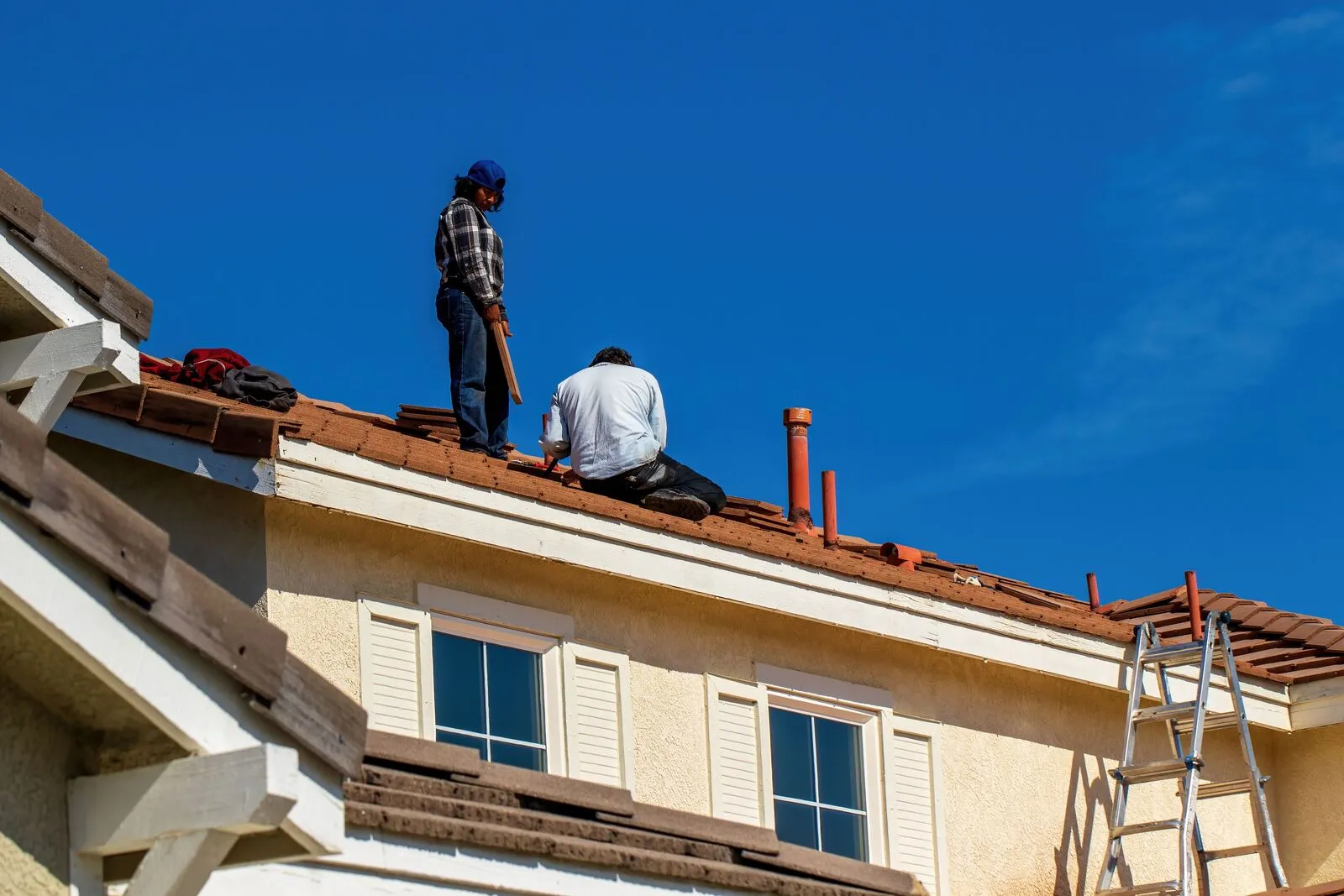
If your roof is old (15 years or more) or you are in a hail or hurricane zone: ACV is the wrong pick. The depreciation gap is the entire game. Storm-prone regions see full-roof claims often enough that betting on your roof to survive is bad math. The ACV payout on a 15-year asphalt roof can be a small fraction of a $20,000 replacement bill. Keep RCV. Do not let the premium savings sales pitch distract you from writing a five-figure check the year a storm hits.
Do this at your next renewal. Ask your agent for two quotes on the same policy, one with RCV roof coverage, one with ACV. Ask what your carrier’s roof depreciation schedule looks like (some use straight-line, some accelerate after 10 years). Get the roof-age figure from your last inspection or an attic look. If you own a condo, this is a discussion for the board, not for you personally. Bring it up at the next HOA meeting so the association is not blindsided by the association’s insurer’s own upsell.
Cheaper is not automatically smart. Get the numbers, then decide.
How Candid Yak makes money. Some of the products we write about pay us if you apply or sign up through our links. That never changes our verdict, our rankings, or the numbers in this article. We call a bad deal a bad deal whether it pays us or not. Some brands shown in our comparison tools are placeholder examples while we finalize partner agreements, and we label them as such.