

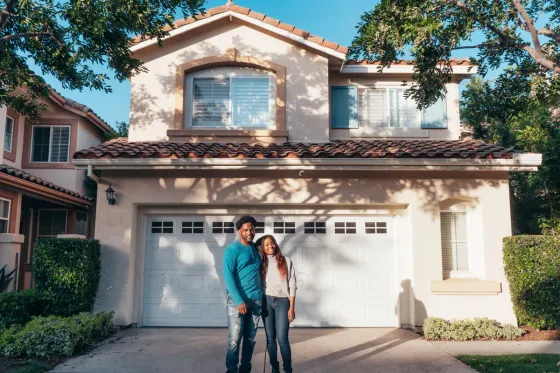














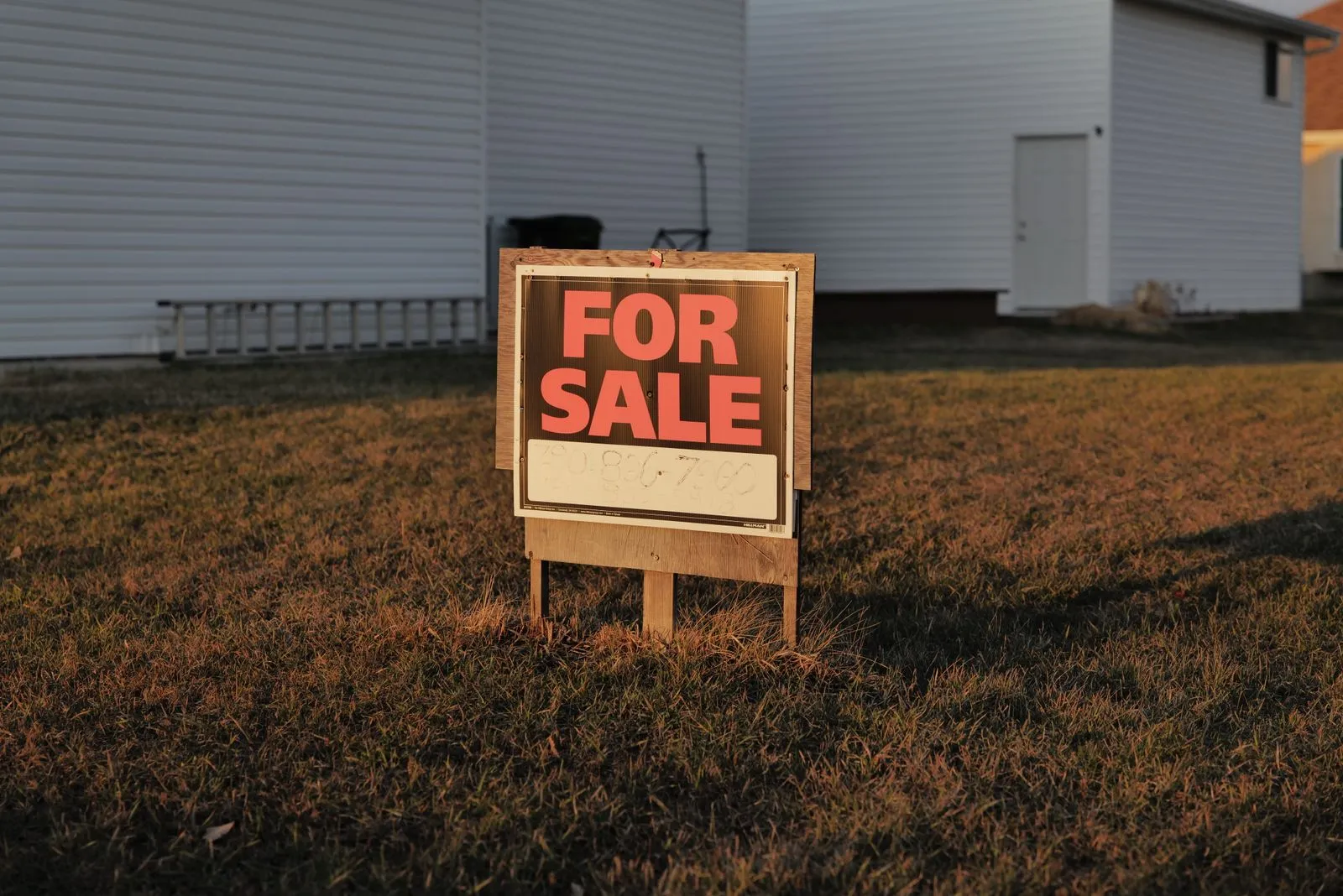
If you are actually house-hunting right now, the pool of buyers around you is smaller than it was a month ago. That means you have leverage you did not have in April. Use it before rates move or the crowd comes back.
The National Association of Realtors reported on July 16 that pending home sales fell 5.4% in June, the sharpest one-month drop since December and the lowest June reading NAR has on record. All four major regions declined. The Midwest fell 8.9%. The Northeast held up best at down 3.0%.
Pending sales are contracts signed but not yet closed. They lead the closing data by roughly two months, so what you saw in June is what agents are quietly discussing in July.
NAR’s Lawrence Yun blamed the double squeeze: “the highest mortgage rates in nearly a year and the record-high national median home price.” Freddie Mac’s 30-year fixed averaged 6.48% in June and drifted up to 6.55% in the latest weekly reading.
Here’s what they don’t tell you in the headline: inventory is not the problem. Wolf Street’s read of the same NAR release calls out that existing single-family inventory is at a 10-year high, and existing condos at a 14-year high. Plenty of homes. Very few buyers who can actually qualify at the current combo of price and rate. Sellers are watching that math the same way you are.
We already told you what that looked like in May, when nearly half of home sellers wrote the buyer a check at closing, 75% in Nashville, 71% in Charlotte. That was with more buyers in the market than there are now. June took another chunk out.
Do this now if you have a pre-approval in hand. Ask for a 2-1 buydown first, which is seller-paid points that shave two percentage points off your rate in year one and one point in year two. On a $400,000 loan at 6.5%, a 2-1 buydown means a payment closer to 4.5% for twelve months, then 5.5% for the next twelve, before it settles at your actual rate. That is real money in the first two years, when moving costs and repairs and everything else lands on you.
If the buydown will not fit the seller’s math, ask for a closing-cost credit next. If that will not fit, ask for the price cut. Get quotes from three lenders in the same week so you can play them against each other on origination fees. Keep the inspection contingency. Keep the appraisal contingency. This is the wrong market to waive them because the “buyer got shy” story is bigger than any one house.
Two caveats. If you shop in a metro that is running hot (Virginia Beach was up 15.4% year over year in June, Sacramento up 15.2%, Kansas City up 14.4%, Richmond up 14.0%), the leverage is still on the seller’s side and the playbook flips. The other caveat is the one everyone knows: rates could drop later and the buyer pool floods back in, or rates could rise further and prices sag more. Nobody has that call right.
Your call on whether the timing is right. But if you are the one signing an offer this month, sign it with a concession request stapled to it. Not optional.
How Candid Yak makes money. Some of the products we write about pay us if you apply or sign up through our links. That never changes our verdict, our rankings, or the numbers in this article. We call a bad deal a bad deal whether it pays us or not. Some brands shown in our comparison tools are placeholder examples while we finalize partner agreements, and we label them as such.