

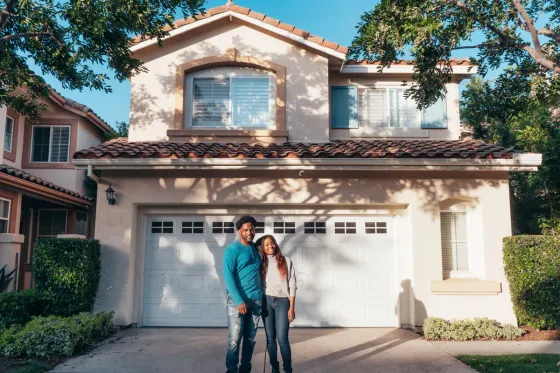














If you’re selling a house this year and you assumed the 2024 NAR settlement quietly cut your commission bill, it didn’t. Average total commission rebounded to 5.70% in early 2026. That’s up from the 2024 low of 5.32% and the highest reading since 2021 (source).
The good news is boring and cash-heavy. 93% of sellers who ask for a lower commission get one. Most sellers never ask.
Here’s what was supposed to happen. In August 2024, a $418 million class-action settlement changed two mechanics of how real estate commissions work: buyer-agent compensation offers came off the MLS, and buyers now have to sign a written buyer-broker agreement before touring a home (source). Consumer groups predicted commissions would tumble. The industry braced for a haircut.
Here’s what actually happened. The buyer-side fee dipped for about six months, then rebounded past where it started. Latest Clever number: 2.82% on the buyer side, up from roughly 2.5% in the immediate post-settlement window. Listing side sits at 2.88%. Total: 5.70% (source). Same house, similar bill.
Why? Rising home prices dragged the dollar amount up even when the percentage held flat. And most sellers still interviewed one agent, took the first quote, and signed. Clever’s July 2026 seller survey found 65% of recent sellers interviewed a single agent before hiring. Only 14% actually paid a full 6%, but 38% still thought 6% was the standard (source). Translation: the settlement gave you room to negotiate. Almost nobody used it.
The math on a $370,000 median-priced home is not subtle. Cut the listing fee from 2.88% to 1.5% (what several discount brokerages already offer) and you keep about $5,100. Do the same on the buyer side, or hand a lower fee to a flat-fee buyer broker if you’re the one buying, and the total savings on the same house cross $7,000. That is a used car, or two years of a Roth IRA contribution.
93% got a cut when they asked. 7% got told no. Those are not lottery odds. Those are “the ask itself is the move” odds.
Do this before you sign anything. Interview at least three agents. Get each quote in writing, with the exact listing-side percentage, the compensation you plan to offer the buyer’s agent, and any bonuses. Then ask each one, plainly: “What’s your best rate?” Compare against a discount brokerage’s flat listing fee on the same house. Pick from that shortlist, not from your neighbor’s recommendation. If you’re the buyer, negotiate your buyer-broker agreement the same way, on the fee amount and on who pays it.
You don’t need to be rude. You don’t need to be a hardball negotiator. You need to make the ask out loud, once, in writing. Big Real Estate got a rebound because most sellers never asked for the discount the settlement was supposed to hand them. Ask.
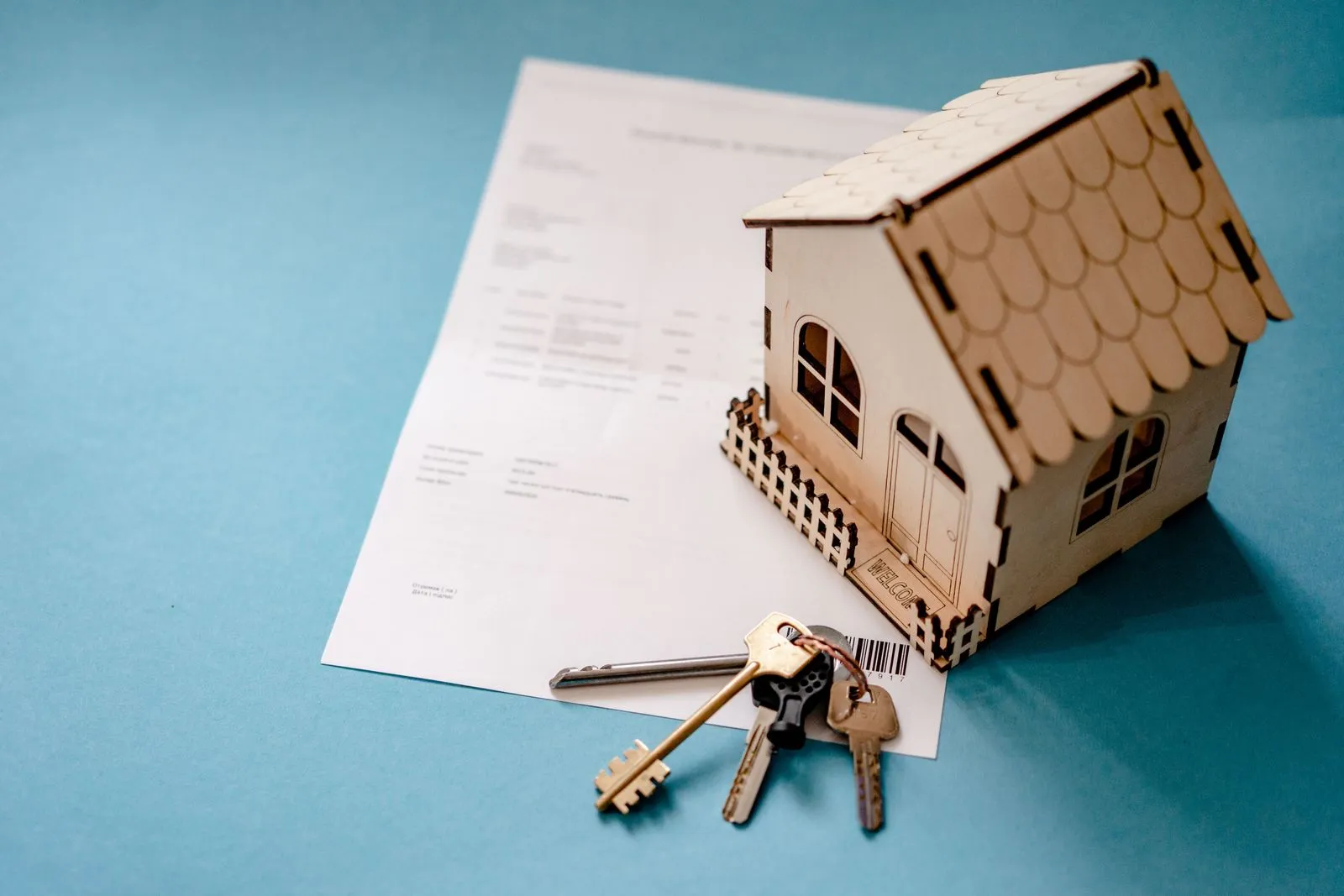
If you already signed a 6% listing agreement, read it. Some contracts include an exclusive period; some let you cancel with notice. Cheaper for you to fix it now than after a $22,000 commission check clears at closing.
Not optional.
How Candid Yak makes money. Some of the products we write about pay us if you apply or sign up through our links. That never changes our verdict, our rankings, or the numbers in this article. We call a bad deal a bad deal whether it pays us or not. Some brands shown in our comparison tools are placeholder examples while we finalize partner agreements, and we label them as such.