















If a store offered you “no interest for twelve months” on a mattress or a phone this year, you might think you’re on a zero percent card. You aren’t. You’re on a deferred interest plan, which is a different animal. Miss the payoff by even a day, and you owe interest back to purchase day, at rates typically above 25 percent.
Here’s how the trap works. On a true zero percent introductory APR card, interest is genuinely paused during the promo. When the promo ends, any balance you still carry starts accruing at the regular APR going forward. Miss a payment along the way and it hurts, but there’s no retroactive charge.
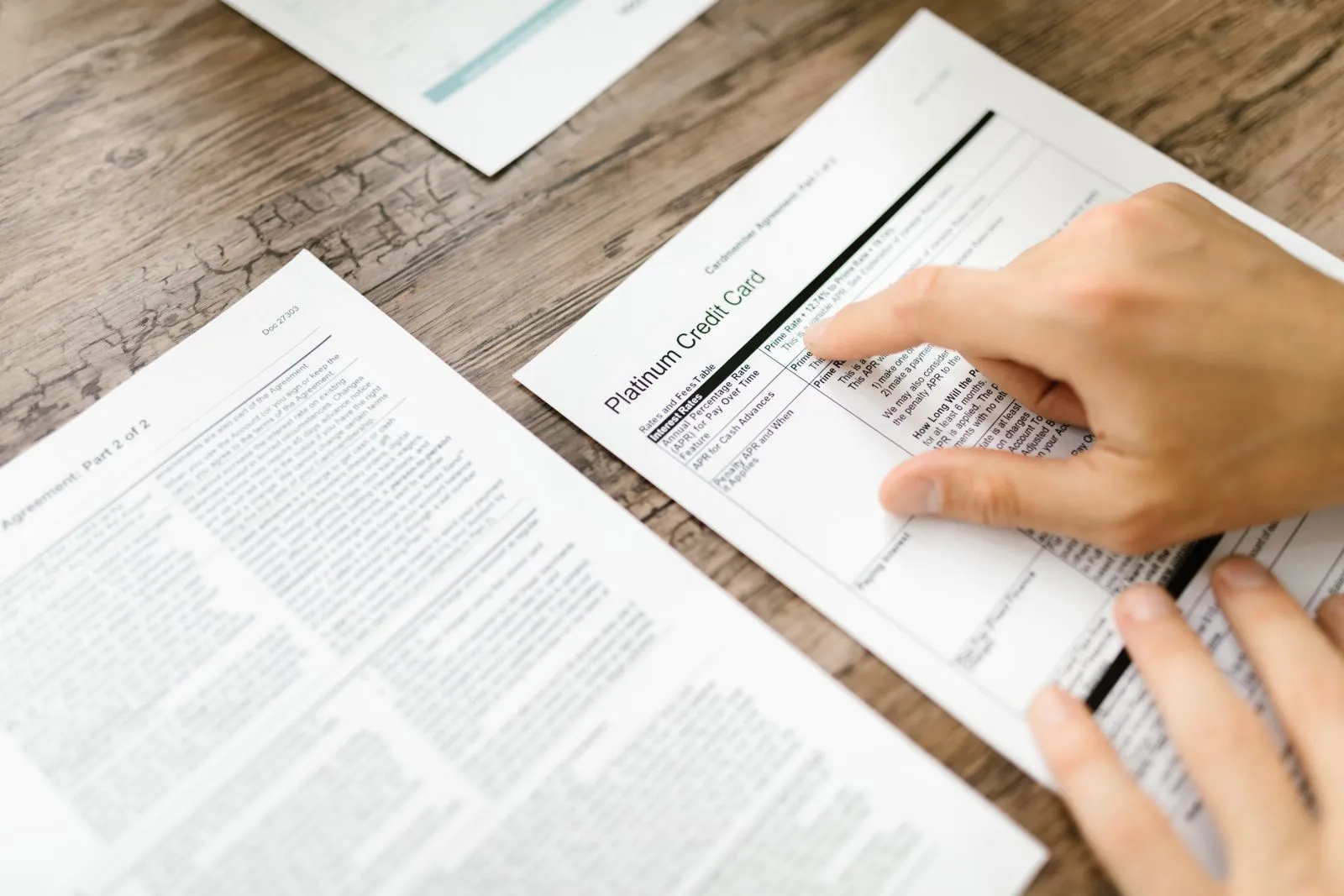
On a deferred interest card, the interest is only waived if you pay in full by the deadline. Finish the twelve months with any balance left, even $50, and the lender goes back to day one and calculates the interest as if the promo never existed. The technical name is retroactive interest. The dollar consequences are ugly.
The CFPB’s December 2024 Issue Spotlight on retail credit cards ran the numbers. About one in five deferred interest promotional balances ended in a retroactive interest charge. The typical deferred APR was 31.99 percent. The Bureau published one worked example: a $4,500 furniture purchase, left with $180 unpaid at the deadline, triggered roughly $1,440 in retroactive interest. That $1,440 is calculated on the original purchase amount going back to day one, not on the $180 the shopper was still carrying. That is the entire trap.
Retailers keep offering it because the trap catches enough people to make the promotion profitable. The CFPB has been asking issuers to switch to real zero percent APR since 2017, most recently in that same 2024 report. Some have. Many have not. Store credit cards, home improvement financing, medical financing, and “special financing” buy-now-pay-later plans are the usual suspects.
The tell is in the words. A true zero percent card says “0 percent intro APR for X months.” A deferred interest promo says “no interest if paid in full within X months” or “special financing.” If you see the phrase “if paid in full,” you’re on the trap.
If you’re mid-promo, do this before you close this tab. Pull up the card account and read the current promotional balance and the promo end date. Divide the balance by the number of months you have left. That is your fixed monthly payment. Set autopay for that amount, targeting the promo balance, and finish it the month before the deadline. If your card lets you allocate payments to specific promo balances, aim them there first. If it doesn’t, pay more than the minimum every month and call the issuer to confirm your payoff schedule.
If you’re shopping for new financing, ignore the store card and use a real zero percent APR credit card. Bankrate and NerdWallet both track them monthly, and several run zero for as long as twenty-one months. Same intro rate, none of the retroactive time bomb.
The retailer knows what “no interest if paid in full” means. Now you do too.
How Candid Yak makes money. Some of the products we write about pay us if you apply or sign up through our links. That never changes our verdict, our rankings, or the numbers in this article. We call a bad deal a bad deal whether it pays us or not. Some brands shown in our comparison tools are placeholder examples while we finalize partner agreements, and we label them as such.
Sources
- Issue Spotlight: The High Cost of Retail Credit Cards (CFPB, December 18, 2024)
- How does a no interest if paid in full offer work? (CFPB Ask CFPB)
- CFPB Encourages Retail Credit Card Companies to Consider More Transparent Promotions (CFPB press release, June 8, 2017)
- Deferred Interest vs. 0% APR: The High Cost of 'No Interest' (NerdWallet)